


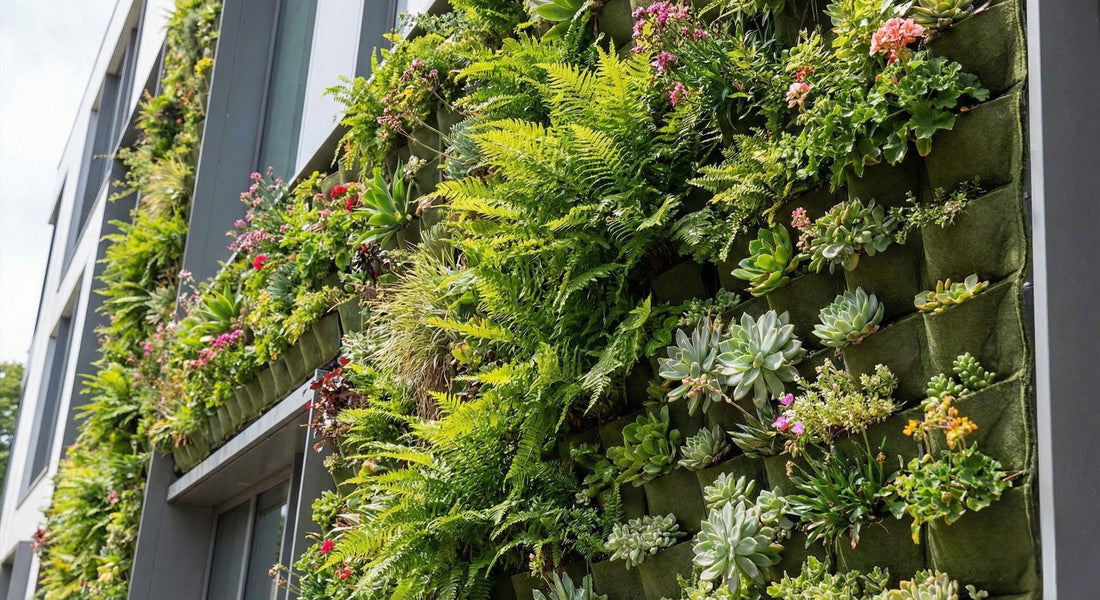
What Is a Vertical Garden?
Picture this: You live in a 2BHK apartment in Mumbai, Bangalore, or Delhi. Your balcony is barely 4 feet wide, and you dream of having fresh tulsi, mint, and some greenery around you. Traditional gardening seems impossible because there's simply no floor space. Sound familiar?
This is the reality for millions of Indians living in urban areas. But here's the good news – vertical gardens are changing everything.
Vertical gardens have become incredibly popular across Indian metros, transforming cramped balconies, boring office walls, and tiny terraces into lush green spaces. From high-end corporate offices in Gurgaon to modest apartments in Pune, people are discovering that you don't need a big plot of land to enjoy gardening.
In this comprehensive guide, you'll learn everything about vertical gardens – what they are, the different types available, their benefits, and how they can work in your space. Whether you're a complete beginner or someone exploring options for your home or office, this guide has you covered.
What Is a Vertical Garden?
A vertical garden is a technique of growing plants on vertically suspended structures instead of traditional horizontal ground beds. Instead of spreading plants across the floor or ground, vertical gardens grow upward on walls, frames, or specially designed structures.
You might have heard vertical gardens called by other names:
- Living wall
- Green wall
- Bio wall
- Plant wall
- Moss wall
All these terms essentially describe the same concept – growing plants vertically.
Every vertical garden has four essential components:
- Vertical Structure/Frame – The backbone that holds everything together
- Growing Medium – Soil, coco peat, or hydroponic nutrient solution
- Plants – Ornamental, edible, or a combination of both
- Irrigation System – To deliver water and nutrients to plants
The beauty of vertical gardens lies in their versatility. They can be as small as a picture frame on your kitchen wall or as massive as an entire building facade. They work equally well indoors and outdoors, in homes and commercial spaces.
Important Distinction: Vertical gardens are NOT the same as climbers growing on a wall. In a true vertical garden, plants are rooted at multiple heights on the structure. With climbers like money plant or bougainvillea, plants root only at the base and climb upward. This is a fundamental difference that many people confuse.
A Brief History of Vertical Gardens
The concept of growing plants vertically isn't entirely new. Many people trace the inspiration back to the legendary Hanging Gardens of Babylon – one of the Seven Wonders of the Ancient World. While those gardens weren't exactly what we call vertical gardens today, they planted the seed of the idea.
Modern vertical gardening, as we know it, was pioneered by Patrick Blanc, a French botanist, in the 1980s and 1990s. He developed the concept of the "Mur Végétal" (plant wall) and created stunning living walls across Europe that caught global attention.
In India, vertical gardens have gained significant popularity only in the last 10-15 years. The rapid urbanization, shrinking living spaces, and growing awareness about green buildings have driven this trend. What started as a feature in luxury hotels and corporate offices has now become accessible to middle-class apartments and small businesses.
Today, vertical gardens are seen everywhere – from the lobbies of IT parks in Hyderabad to the balconies of apartments in Chennai. They've moved from being a novelty to becoming a practical solution for urban greening.
Types of Vertical Gardens
Understanding the different types of vertical gardens is crucial before you decide which one suits your needs. Each type has its own characteristics, costs, and maintenance requirements.
1. Green Walls (Living Walls)
Green walls are the most visually striking type of vertical garden. These are entire walls covered with plants, creating a dramatic living tapestry of greenery.
Green walls typically use modular panels or specially designed frames that hold multiple plants. They're commonly seen in corporate offices, hotel lobbies, shopping malls, and upscale restaurants. The visual impact is immediate and impressive.
However, large green walls usually require professional installation and a proper irrigation system. They're not typically DIY projects for beginners.
2. Modular Container Systems (Tray Systems)
This is one of the most popular systems in Indian residential projects. Modular container systems use plastic pots or trays that attach to a back frame made of aluminum or mild steel.
The biggest advantage? If one plant dies, you can easily replace just that container without disturbing the others. These systems work well both indoors and outdoors and offer a good balance between cost and aesthetics.
For most Indian homes and small offices, modular container systems hit the sweet spot of affordability and effectiveness.
3. Felt Fabric Systems
Felt fabric systems use two layers of synthetic fabric with pockets that hold plants and growing medium. This is essentially a hydroponic approach – meaning no soil is used.
These systems are lightweight and create a seamless green wall appearance. However, they require a waterproofing membrane behind them to protect the building wall from moisture. They're more common in high-end commercial projects due to the expertise needed for installation and maintenance.
4. Trellis and Climbing Systems
This is the most traditional and affordable method of vertical gardening. Plants grow from the base and climb upward on a trellis, wire mesh, or similar framework.
Trellis systems are perfect for climbing plants like beans, gourds, jasmine, money plant, and bougainvillea. They're extremely DIY-friendly and work wonderfully on Indian balconies and terraces.
The downside? It takes time for plants to fully cover the structure, unlike modular systems that look full from day one.
5. Vertical Planters (Stackable/Tower Systems)
Vertical planters are stackable pots or tower structures where each level holds individual plants. Think of them as a vertical arrangement of pots.
These are perfect for growing herbs like tulsi, mint, and coriander, or small vegetables like lettuce and spinach. They're compact, movable, and ideal for small balconies. Many DIY enthusiasts start with vertical planters before moving to larger systems.
6. Hydroponic Vertical Gardens
Hydroponic systems grow plants without soil, using nutrient-rich water instead. These are increasingly popular for indoor setups, especially for growing leafy greens and herbs.
Hydroponic vertical gardens are clean, efficient, and can produce impressive yields. However, they require a higher initial investment and some technical knowledge. Urban farming enthusiasts in Indian cities are increasingly adopting this method.
Quick Comparison:
|
Type |
Best For |
Cost |
Maintenance |
DIY Friendly? |
|
Green Walls |
Large spaces, offices |
High |
Medium-High |
No |
|
Modular Containers |
Homes, balconies |
Medium |
Medium |
Yes |
|
Felt Fabric |
Commercial, high-end |
High |
High |
No |
|
Trellis Systems |
Climbers, outdoor |
Low |
Low |
Yes |
|
Vertical Planters |
Small spaces, herbs |
Low-Medium |
Low |
Yes |
|
Hydroponic |
Indoor, leafy greens |
High |
Medium |
Partial |
Confused about which system suits your city and living situation? Read our detailed guide: [How to Choose the Best Vertical Garden System for Indian Cities]
Benefits of Vertical Gardens
Vertical gardens offer far more than just visual appeal. Here are the key benefits that make them increasingly popular in urban India.
1. Space Optimization
This is the most obvious benefit. Vertical gardens maximize vertical space in areas where horizontal space is limited. A 10-square-foot wall can accommodate dozens of plants that would otherwise need significant floor space.
For Indian apartments where balconies are often just 30-40 square feet, vertical gardens are a game-changer. You can grow a meaningful garden without sacrificing your limited outdoor space.
2. Improved Air Quality
Plants naturally absorb carbon dioxide and release oxygen. But they do more than that – they also filter indoor pollutants like formaldehyde, benzene, and other volatile organic compounds that are released by furniture, paints, and electronics.
In highly polluted Indian cities like Delhi, Mumbai, and Kolkata, indoor vertical gardens can significantly improve the air you breathe at home or in your office. NASA research has confirmed that indoor plants effectively purify air.
3. Temperature Regulation and Energy Savings
Outdoor vertical gardens provide natural insulation for buildings. The layer of plants reduces heat absorption by walls during summer, keeping interiors cooler. This process, called evapotranspiration, cools the surrounding air naturally.
The result? Lower dependency on air conditioning and reduced electricity bills. For a country like India with harsh summers, this benefit is particularly valuable.
4. Noise Reduction
Plants act as natural sound absorbers. Vertical gardens can reduce noise levels, making them useful for homes and offices located near busy roads or in noisy neighborhoods.
The leaves, stems, and growing medium all help absorb and deflect sound waves. While a vertical garden won't completely soundproof a room, it can noticeably reduce ambient noise.
5. Aesthetic and Psychological Benefits
There's no denying that vertical gardens look stunning. They transform dull, boring walls into living works of art. This visual appeal enhances any space, whether it's a home living room or a corporate reception area.
Beyond aesthetics, research consistently shows that greenery reduces stress, improves mood, and boosts productivity. In urban settings where natural landscapes are scarce, vertical gardens provide a much-needed connection to nature.
6. Fresh Food Production
Vertical gardens aren't just for ornamental plants. You can grow herbs like tulsi, mint, coriander, and curry leaves. You can cultivate leafy greens like spinach and lettuce. Some people even grow strawberries and cherry tomatoes.
Growing your own produce means access to fresh, pesticide-free food right at your doorstep. For health-conscious urban Indians, this is a compelling benefit.
7. Environmental Sustainability
Vertical gardens contribute to environmental sustainability in multiple ways. Growing your own food reduces packaging waste and transportation emissions associated with store-bought produce. Efficient drip irrigation systems minimize water wastage. Avoiding synthetic pesticides promotes healthier ecosystems.
For buildings seeking green certifications like LEED or IGBC ratings, vertical gardens add valuable points.
In Indian metros, where pollution levels are alarming and green spaces are disappearing, vertical gardens are not just decorative – they're becoming a necessity for healthier living.
Where Can You Install a Vertical Garden?
Vertical gardens are remarkably versatile in terms of installation locations. Let's explore the possibilities.

Indoor Vertical Gardens
Indoor vertical gardens are perfect for:
- Living room feature walls
- Kitchen walls (for a herb garden)
- Office reception areas and workspaces
- Restaurant and café interiors
- Hotel lobbies and common areas
-
Bathroom walls (with humidity-loving plants)
The key considerations for indoor installations are lighting, drainage, and irrigation. If natural sunlight is limited, you may need to install grow lights or choose shade-tolerant plants. Proper drainage prevents water damage to floors and walls.
Outdoor Vertical Gardens
Outdoor installations offer more flexibility because of natural sunlight and ventilation:
- Balconies and terraces
- Boundary walls and compound walls
- Building facades
- Rooftop perimeters
- Garden fences and dividers
-
Parking area walls
Outdoor vertical gardens benefit from direct sunlight, which helps most plants thrive. However, you must evaluate wind exposure and plan for monsoon drainage – both critical factors in Indian conditions.
Commercial vs Residential Applications
Commercial spaces typically go for larger installations with professional design and maintenance. The focus is on aesthetics, air quality improvement, and creating an impressive green image for visitors and employees.
Residential spaces usually feature smaller, more personal setups. Homeowners often prefer DIY-friendly systems focused on growing herbs, vegetables, or creating a small green corner for relaxation. 
Before installing any vertical garden, proper space evaluation is essential. Learn how: [How to Evaluate Any Space Before Choosing Vertical Garden Plants]
Key Principles of Successful Vertical Gardening
Success with vertical gardens depends on following some fundamental principles. Get these right, and your vertical garden will thrive.
1. Right Plant, Right Place
This is the golden rule of all gardening, including vertical gardening. Every plant has specific requirements for sunlight, temperature, and humidity. Matching plants to your conditions is non-negotiable.
If your vertical garden receives full sunlight for 6+ hours, choose sun-loving plants like tomatoes, marigolds, and most herbs. If it's a shaded indoor wall, opt for plants like pothos, ferns, peace lily, and philodendrons.
In India, you must also consider the extreme summer heat. Many plants that thrive in winter will struggle during May-June without protection.
Need help selecting the right plants? Read: [How to Choose the Right Plants for Vertical Gardens in Sun, Shade & Wind]
2. Proper Support Structure
The structure supporting your vertical garden must be sturdy enough to hold the weight of containers, soil, plants, and water. Remember that wet soil is much heavier than dry soil, and plants get heavier as they mature.
Ensure the structure is securely anchored to the wall or is properly freestanding. Common materials include aluminum, mild steel, and treated wood. For wall-mounted systems, use appropriate waterproofing to protect the building wall.
3. Quality Growing Medium
Never use regular garden soil in vertical gardens. It's too heavy, doesn't drain well, and can compact over time.
Use a high-quality potting mix that includes components like coco peat, perlite, and vermiculite. These ensure proper drainage while retaining adequate moisture. In India, coco peat is widely available and works excellently for vertical gardens.
For hydroponic systems, use balanced nutrient solutions specifically designed for the plants you're growing.
4. Efficient Watering System
Vertical gardens dry out faster than traditional ground-level gardens. Water drains down quickly, and containers have limited soil volume to retain moisture.
For anything beyond a small setup, consider installing drip irrigation. It delivers water directly to plant roots, saves water, and ensures consistent hydration. For small setups, self-watering planters or regular manual watering works fine.
The key is consistency. In Indian summers, you may need to water twice daily. Overwatering is as harmful as underwatering, so always check soil moisture before watering.
5. Regular Maintenance
Vertical gardens are not maintenance-free. They require regular attention:
- Pruning to maintain shape and health
- Removing dead or yellowing leaves promptly
- Checking for pests regularly (pests spread quickly in vertical setups due to plant proximity)
- Fertilizing according to plant needs
-
Seasonal adjustments for India's diverse climate
For a complete maintenance schedule and seasonal care guide, read: [How to Maintain a Vertical Garden: Watering, Fertilizing & Seasonal Care]
Common Challenges of Vertical Gardens (And How to Overcome Them)
Let's be honest – vertical gardens come with challenges. Here's what you might face and how to handle it.
1. Watering Issues
Containers in vertical setups dry out faster than ground plants. This is especially problematic during Indian summers.
Solution: Install a drip irrigation system with a timer. For small setups, use self-watering planters or set a consistent daily watering schedule.
2. Pest Problems
When plants are close together, pests can spread rapidly from one plant to another. Common pests include aphids, mealybugs, and spider mites.
Solution: Inspect plants regularly. At the first sign of pests, isolate affected plants if possible. Use neem oil spray, which is effective and organic. Maintain good hygiene by removing dead leaves promptly.
3. Structural Concerns
Heavy plants, wet soil, and inadequate anchoring can strain walls or cause structures to fail.
Solution: Calculate the total weight before installation. Use proper anchoring systems. For large installations, consult a professional. Never underestimate the weight of water-saturated soil.
4. Sunlight Limitations (Indoors)
Many plants need several hours of sunlight daily, which may not be available in indoor locations.
Solution: Either choose low-light tolerant plants (pothos, snake plant, ZZ plant, peace lily) or install grow lights to supplement natural light.
5. Maintenance Effort
Vertical gardens require ongoing attention. They're not plant-and-forget systems.
Solution: Start small to understand your capacity and learn the requirements. Consider professional maintenance services for large commercial installations.
Pro Tip: Start with a small vertical planter before committing to a full living wall. This trial run helps you understand your space, climate, and maintenance abilities before making a larger investment.
Vertical Gardens vs Green Facades: What's the Difference?

Many people confuse vertical gardens with green facades. While both add greenery to vertical surfaces, they're fundamentally different.
|
Aspect |
Vertical Garden |
Green Facade |
|
Plant Position |
Rooted at multiple heights on the structure |
Rooted only at the base |
|
Growth Pattern |
Plants grow in place |
Plants climb upward from ground |
|
Time to Coverage |
Immediate visual impact |
Takes months or years to fully cover |
|
Cost |
Higher initial investment |
Lower cost |
|
Maintenance |
More intensive |
Easier to maintain |
|
Examples |
Modular living walls, felt pocket systems |
Money plant on wire mesh, bougainvillea on trellis |
A common confusion in India: Many people think a money plant climbing on their wall is a vertical garden. Technically, it's a green facade because the plant is rooted at the base and climbs up. A true vertical garden would have plants rooted at various heights along the wall.
Both approaches have their place. Green facades are more affordable and easier to maintain. Vertical gardens offer immediate impact and more design flexibility.
Is a Vertical Garden Right for You?
After learning all about vertical gardens, you might wonder if it's the right choice for your situation.
A vertical garden is ideal if:
- You have limited floor or ground space
- You want to grow herbs, vegetables, or ornamental plants
- You're looking to improve indoor air quality
- You want to transform a boring wall into a green feature
- You're willing to invest time in regular maintenance
- You enjoy gardening and want to learn new techniques
Consider alternatives if:
- You have ample ground space for a traditional garden
- You want completely maintenance-free greenery (consider artificial plants)
- Your budget is extremely limited (start with simple potted plants first)
- You travel frequently and can't ensure regular watering
The good news is that you can start as small as you want. A single vertical planter with herbs on your kitchen wall is a vertical garden. You don't need to install an entire living wall to enjoy the benefits.
Need Expert Help Bringing Your Wall to Life?
While DIY projects are rewarding, creating a long-lasting vertical garden especially large living walls for offices or extensive balcony setups requires precise planning regarding structural safety, irrigation, and plant health.
If you want the lush greenery without the technical trial and error, Pranaa is here to help. We specialize in designing, installing, and maintaining bespoke vertical gardens tailored for Indian spaces. Whether it’s a corporate lobby or a cozy home balcony, our team ensures your green wall thrives year-round.
Get a Consultation with Pranaa.....
Conclusion
A vertical garden is much more than a trendy decoration – it's a practical solution for bringing nature into space-constrained urban environments. Whether you want to grow fresh herbs for your kitchen, create a stunning living wall in your office, or simply add some greenery to your apartment balcony, vertical gardening makes it possible.
Let's recap what we've covered:
- Vertical gardens grow plants on vertical structures instead of horizontal ground
- Multiple types exist, from simple trellis systems to sophisticated hydroponic setups
- Benefits include space optimization, air purification, temperature regulation, and fresh food production
- Success depends on choosing the right plants, proper structure, quality soil, efficient watering, and regular maintenance
The key is to start small, learn from experience, and gradually expand. A simple herb planter on your balcony today can be the first step toward a full living wall tomorrow.
Frequently Asked Questions
What is the meaning of vertical garden?
A vertical garden is a method of growing plants on vertical surfaces like walls, using structures such as modular containers, felt pockets, or trellises. It allows gardening in limited spaces by utilizing vertical height instead of horizontal ground area. Plants are rooted at multiple heights on the structure rather than just at the base.
Can I create a vertical garden at home in India?
Absolutely! Vertical gardens are perfect for Indian homes, especially apartments and balconies with limited space. You can start with simple vertical planters for herbs like tulsi and mint, or install modular systems for larger setups. Many successful vertical gardens exist in Indian apartments across all metro cities.
What plants are best for vertical gardens?
For ornamental purposes, excellent choices include pothos, ferns, philodendrons, peace lily, and snake plants. For edibles, consider herbs (tulsi, mint, coriander, curry leaves), lettuce, spinach, and strawberries. The best choice depends on your light conditions and local climate. [Learn more about plant selection for different conditions]
How much maintenance does a vertical garden need?
Vertical gardens require regular watering (potentially twice daily in summer), periodic fertilizing, pruning, and pest checks. The maintenance effort varies based on size and system type. Small herb planters need just a few minutes daily, while large living walls may require weekly professional attention. [Read our complete maintenance guide]
What is the cost of a vertical garden in India?
Costs vary widely based on size and system type. Simple DIY vertical planters start from ₹500-2,000. Medium-sized modular systems for a balcony wall might cost ₹10,000-30,000 including plants. Professional living wall installations for offices can range from ₹50,000 to several lakhs depending on size, plant selection, and irrigation setup.
Can vertical gardens survive Indian summers?
Yes, with proper planning. Choose heat-tolerant plants, ensure adequate and consistent watering (preferably with drip irrigation), and provide afternoon shade for sensitive species during peak summer months (April-June). Many plants that struggle in direct summer sun can thrive if given some protection during the hottest hours.


